Activity Level
Exercise, movement, and physical work increase water needs. On active days, you'll naturally want more fluids than on sedentary days.
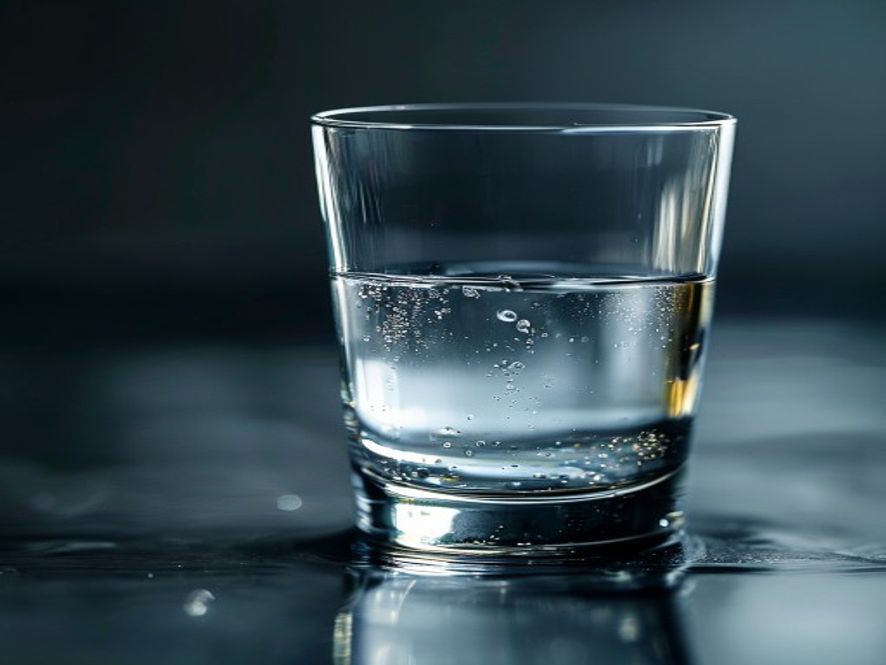
Explore the practical foundations of hydration. Learn what makes consistent water intake a sustainable habit and how it connects to your daily life.
Water is essential for every function in the human body—from cellular processes to temperature regulation to nutrient transport. Yet many people develop hydration habits by accident rather than intention.
The goal isn't to obsess over water intake or follow rigid prescriptions. Instead, we focus on building consistent routines that become natural and effortless over time.
Your hydration requirements are unique and influenced by multiple factors. Rather than following generic guidelines, understand these variables and adapt accordingly.
Exercise, movement, and physical work increase water needs. On active days, you'll naturally want more fluids than on sedentary days.
Heat, humidity, and altitude all affect how much water you lose through perspiration and breathing. Hotter months typically mean higher intake.
Foods high in water content (fruits, vegetables, soups) contribute to your overall fluid intake. A diet rich in salty foods may increase thirst.
Certain medications affect hydration. Pre-existing conditions may alter your needs. Always check with your healthcare provider if you have concerns.
Individual metabolic rates, age, and sex influence how quickly you lose water. There's no universal "right" amount for everyone.
Sleep quality and quantity affect hydration. Night-time dehydration is why morning hydration sets a good tone for the day.
Hydration becomes sustainable when it's woven into your existing routines. The habit loop—cue, behavior, reward—is key to making water intake automatic.
Find existing habits where you can attach hydration. Morning coffee? Drink a glass first. Lunch break? Add water. These become your cues.
Keep water visible and accessible. A water bottle on your desk, a glass by your bed, a cup in the kitchen—remove barriers to drinking.
Pay attention to thirst, energy levels, and how you feel at different times. Over weeks, patterns emerge. Respect what your body tells you.
The reward is often subtle—better energy, clearer thinking, improved digestion. Notice these positive outcomes; they reinforce the habit loop.
Solution: Use environmental cues. Place a water bottle where you'll see it. Set phone reminders at key times (9 AM, noon, 3 PM, 6 PM). Anchor to existing habits—drink when you check email, after each meeting, during breaks.
Solution: Add herbal tea, lemon, cucumber, or mint for flavor without calories. Try different temperatures—some people prefer warm water. Variety prevents monotony and keeps hydration interesting.
Solution: Move most intake to morning and midday. Taper after 7–8 PM. This respects your sleep needs while maintaining consistent daily hydration throughout the day.
Solution: Track for one week and notice patterns. How do you feel? Track energy, digestion, skin, mood. Your own data is more reliable than generic guidelines.
Our personalized programs help you integrate hydration into your unique lifestyle and schedule.
Start Your Program