Educational content only. Not medical, psychological, or health services. Portland, United States.
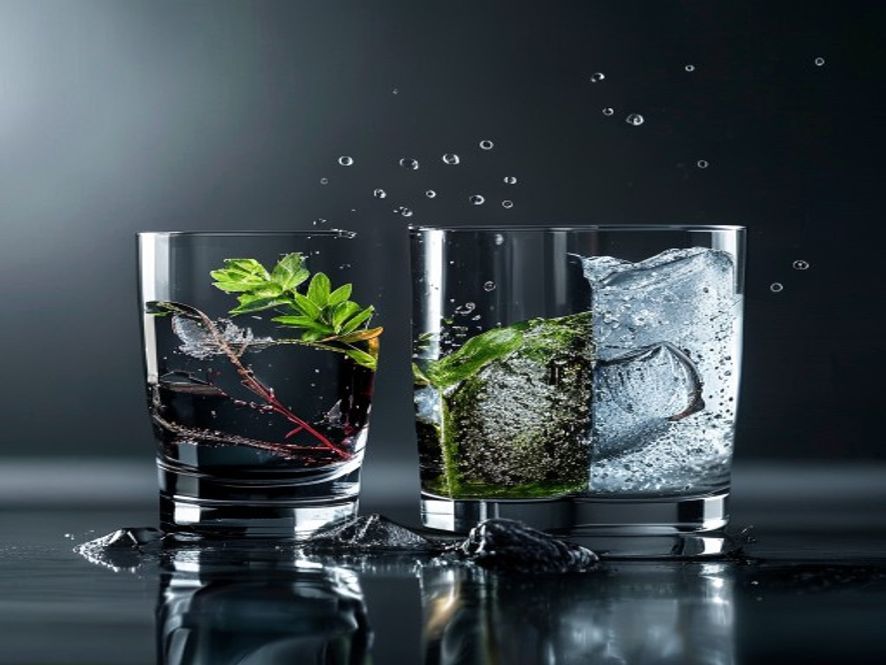
Four seasons depicted with water glass and seasonal natural elements
Adapt through the year

Seasonal Hydration Adjustments

Your hydration needs shift with the seasons. Learn how to adapt your routines for spring, summer, fall, and winter while maintaining consistent habits.

How Seasons Affect Hydration

Temperature, humidity, daylight hours, and activity patterns all change seasonally. Smart hydration means adjusting your routines to match what each season naturally brings.

Spring: Renewal & Transition

What's happening: Temperatures rising, more outdoor activity, increased daylight. Your body is waking up after winter slowness.

Hydration Adjustments

  • Gradually increase intake as temperatures rise (no sudden jumps)
  • More outdoor time means more water loss through perspiration
  • Spring allergies may increase thirst or affect hydration patterns
  • Fresh fruits and vegetables reappear, contributing to fluid intake
  • Morning outdoor walks may require additional hydration

Recommended focus: Transition your winter routine upward. Add a glass midday. Increase outdoor hydration awareness.
Summer: Peak Activity & Heat

What's happening: Hot temperatures, humidity, peak outdoor activity. Your body loses water through perspiration much faster than other seasons.

Hydration Adjustments

  • Significantly increase daily intake (typically 1.5–2x spring/winter levels)
  • Hydrate before, during, and after outdoor activity or exercise
  • Carry water with you everywhere; don't wait until you're thirsty
  • Early morning and evening hydration helps offset afternoon heat
  • Monitor urine color; lighter usually indicates better hydration

Recommended focus: Move to proactive hydration mode. Plan water intake before activities. Keep bottles accessible at all times.

Fall: Gradual Decrease & Stability

What's happening: Temperatures cooling, activity normalizing, daylight decreasing. A gradual transition from summer heat to winter cold.

Hydration Adjustments

  • Gradually reduce intake as temperatures drop and heat exposure decreases
  • Indoor heating begins, which may increase water loss
  • Fall allergies or colds may temporarily affect hydration patterns
  • Shorter days mean less sun exposure; adjust accordingly
  • Maintain consistency; don't over-correct downward

Recommended focus: Transition thoughtfully. Stay aware of indoor heating. Keep routines consistent despite seasonal changes.

Winter: Lower Activity & Indoor Focus

What's happening: Cold temperatures, limited daylight, more time indoors. Activity levels often decrease, but indoor heating increases water loss.

Hydration Adjustments

  • Intake naturally decreases; many people drink less in winter
  • Heating systems create dry air; consistent hydration prevents imbalance
  • Cold weather suppresses natural thirst signals; stay intentional
  • Warm beverages (tea, broth) contribute to fluid intake
  • Evening wind-down earlier; less late-day drinking helps sleep

Recommended focus: Maintain consistency despite lower visibility. Use warm beverages as anchors. Stay aware of heating effects.

Water bottle on hiking trail surrounded by green trees and natural landscape

Seasonal Activity Patterns

As seasons change, so do activity levels and lifestyle patterns. Hydration should follow these natural rhythms.

Activity-Based Adjustments

  • Spring/Summer outdoor activities: More hiking, running, gardening → Higher intake
  • Fall sports transition: Cooler weather, seasonal sports changes → Moderate intake
  • Winter indoor focus: Gym time, indoor activities → Consistent baseline
  • Holiday season: Dietary changes, travel → Maintain intentional hydration

Plan ahead for seasonal activity changes and adjust your hydration strategy accordingly.

Monthly Hydration Checklist

Use this simple checklist each month to assess and adjust your hydration habits for the current season.

Every Month, Ask Yourself

  • Has the temperature changed significantly since last month?
  • Am I spending more or less time outdoors?
  • Has my activity level shifted?
  • Do I notice my thirst patterns changing?
  • Is indoor heating or cooling affecting how I feel?
  • Do I need to adjust my morning/midday/evening intake?
  • Are my tracking methods still working for me?

Seasonal Transition (March, June, September, December)

  • Review your hydration totals from the past 3 months
  • Identify what worked well and what didn't
  • Adjust your daily targets based on upcoming season
  • Update your hydration anchors/cues if needed
  • Plan for predictable seasonal changes (vacation, holidays, activity shifts)
  • Reset your tracking method if it's become stale

Important Seasonal Reminders

Winter dryness: Heating systems create indoor dryness. Even though you feel cold, you're losing water. Consistent hydration prevents dehydration in winter.

Summer heat: Don't wait until you're thirsty in summer. By then, you're already dehydrated. Proactive hydration is safer than reactive.

Spring/Fall allergies: Congestion and allergy medications can affect thirst signals and hydration. Stay intentional during these seasons.

Listen to your body: Seasonal adjustments are guidelines, not rules. Your experience, energy, and how you feel matter most. Adjust as needed.

Get a Personalized Seasonal Plan

Our coaches can create a detailed hydration strategy tailored to your local climate and lifestyle patterns.

Book Consultation